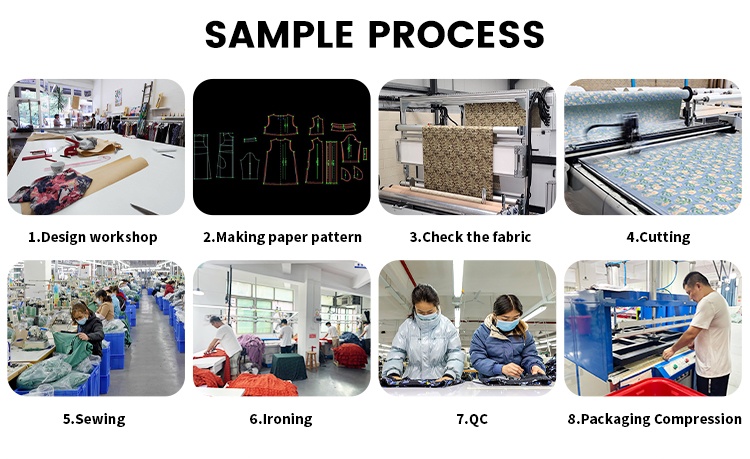
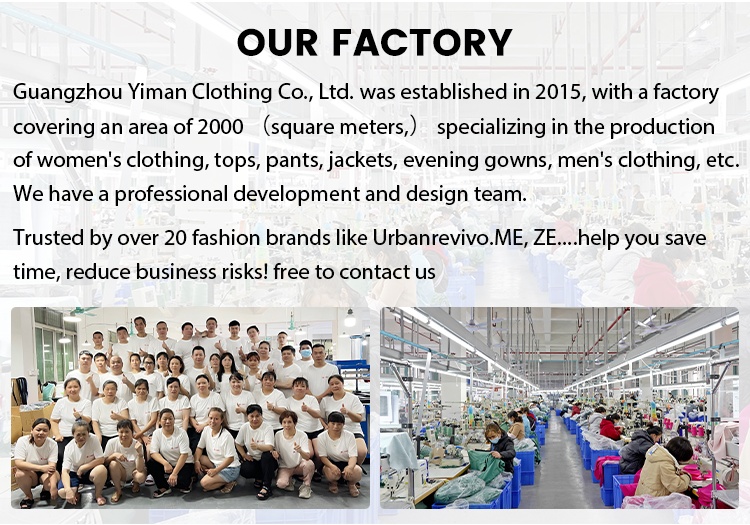
If you’ve ever stood in a store, holding a ready-to-wear shirt that’s too loose in the shoulders or too tight around the waist, you might have wondered: Is there a way to get clothes that truly “fit like they were made for me”? The answer lies in working with a professional clothing customization factory—but what exactly makes their process different from mass-produced garments? Today, we’re breaking down the 6 key details that turn a simple design into a perfectly tailored piece, from the first paper pattern to the final logo embroidery.
1. Paper Patterns: The “Blueprint” That Rejects “One-Size-Fits-All”
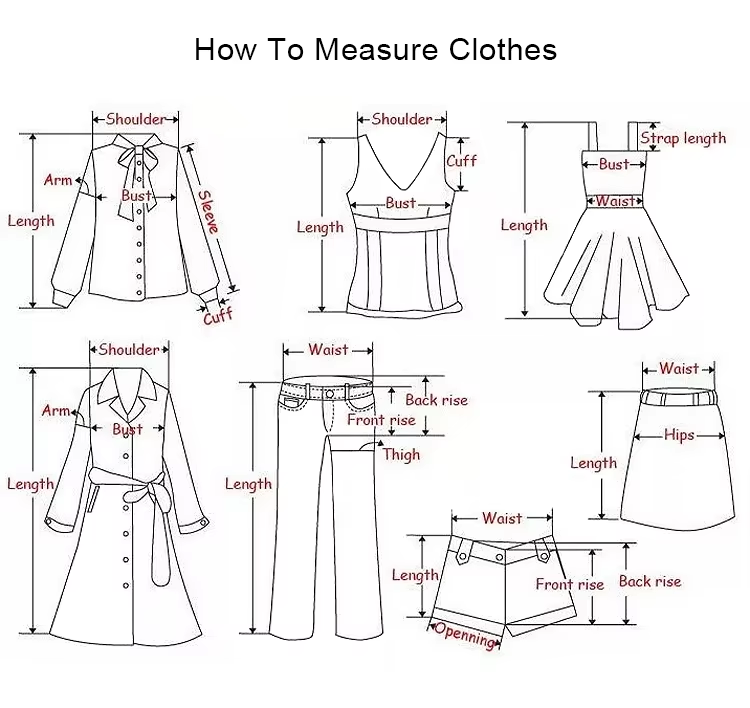
Have you ever noticed how ready-to-wear clothes only come in standard sizes (S, M, L, XL)? A customization factory starts with a far more precise step: custom paper patterns. Unlike the generic templates used for mass production, these patterns are created based on your unique measurements—shoulder width, chest circumference, waist size, arm length, and even shoulder slope.
Skilled pattern makers use specialized software (or traditional hand-drafting techniques for high-end orders) to translate your measurements into a 2D blueprint. This blueprint accounts for small but crucial details: for example, if you have a longer torso, the pattern will adjust the length of the garment to avoid a “cropped” look; if your shoulders are narrower, the sleeve attachment point will shift to prevent bunching. Why does this matter? Because a wrong paper pattern means even the best fabric will never fit—this is the foundation of custom clothing.
2. Fabric Selection: How Factories Help You Pick “Style + Comfort”
When you order custom clothes, you might ask: Can I choose fabric that matches my lifestyle? A good customization factory doesn’t just offer “fabric options”—they guide you to pick materials that balance style, comfort, and practicality.
For example:
- If you need a business suit for frequent travel, they’ll recommend wrinkle-resistant wool blends (instead of pure wool, which creases easily).
- For summer dresses, they’ll suggest breathable linen or lightweight cotton (avoiding heavy fabrics that trap sweat).
- For activewear, they’ll offer moisture-wicking polyester-spandex mixes that stretch with your movements.
Most factories also provide fabric swatches (small samples) so you can feel the texture, check the color under natural light, and even test how it drapes—something you’ll never get with online ready-to-wear shopping.
3. Craftsmanship: The “Invisible Details” That Make Clothes Last
Ever bought a shirt that started fraying at the cuffs after 3 washes? The difference is in the craftsmanship—and customization factories prioritize details that mass-produced brands cut corners on.
Here’s what to look for:
- Stitching density: High-quality custom clothes use 12-14 stitches per inch (compared to 8-10 for cheap ready-to-wear). This makes seams stronger and prevents unraveling.
- French seams: For lightweight fabrics (like silk or linen), factories use French seams—where raw edges are folded and stitched twice—so there’s no rough fabric rubbing against your skin.
- Reinforced stress points: Buttons, zippers, and pocket edges are reinforced with extra stitches or fabric patches. This means your custom jeans won’t tear at the pocket corners, even with daily use.
4. Techniques: From Printing to Embroidery—Making Your Clothes Unique
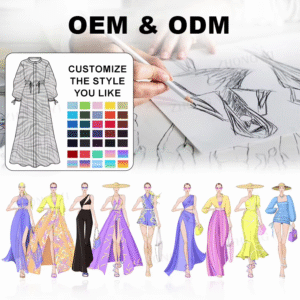
You might think: Can I add personal touches beyond just fit? Customization factories turn this into reality with specialized techniques that make your garment one-of-a-kind.
- Digital printing: For bold patterns (like a custom floral design or brand graphics), factories use high-resolution digital printing that won’t fade after washing. Unlike screen printing (common in mass production), it works on small orders (even 1 piece) without extra setup fees.
- Embroidery: For logos, monograms, or subtle designs (like a small flower on a blouse collar), embroidery adds texture and durability. Factories let you choose thread color (matching or contrasting with the fabric) and stitch density—so your logo stays crisp for years.
- Tailoring techniques: For formal wear (like wedding dresses or tuxedos), factories use hand-sewn details: hand-rolled hems on silk skirts, hand-placed beading, or canvas interlining in suit jackets (which keeps the shape without feeling stiff).
5. Color Matching: How to Get the “Exact Shade” You Want
Have you ever ordered a “navy blue” shirt online, only to receive something closer to black? Color accuracy is a top priority for customization factories.
Most use the Pantone Matching System (PMS)—a universal color code that ensures the fabric color matches your vision. For example, if you want a shirt in “Pantone 19-4052 Classic Blue,” the factory will source fabric dyed to that exact code. They also offer color testing: if you have a sample (like a swatch from your brand’s logo), they can match the fabric color to it perfectly.
This is especially important for businesses: if you’re ordering custom uniforms or brand apparel, consistent color across all pieces helps strengthen your brand identity.
6. Logo Application: Turning Garments Into “Brand Ambassadors”
For businesses or individuals wanting personalized pieces, you might ask: How do factories ensure my logo looks professional? The best customization factories offer multiple logo application methods, tailored to your fabric and design.
- Embroidery: Ideal for thick fabrics (like hoodies, jackets, or polo shirts). It’s durable (survives dozens of washes) and has a premium, tactile feel.
- Heat transfer: Great for thin fabrics (like t-shirts or tank tops) or complex logos with gradients. Factories use high-quality heat transfer paper that doesn’t peel or crack.
- Woven labels: For high-end items (like custom suits or dresses), a woven label with your logo can be sewn into the neckline or inside the waistband—subtle but sophisticated.
Factories also provide a mockup (a digital or physical sample) before production, so you can check the logo’s size, position, and color—no surprises when you receive the final order.
Final Thought: Why Customization Factories Beat Ready-to-Wear
At the end of the day, the question isn’t just “Why do custom clothes fit better?”—it’s “Why settle for clothes that don’t fit you?” A professional clothing customization factory doesn’t just make garments—they make pieces that reflect your body, your style, and your needs. From the first paper pattern to the final logo stitch, every detail is designed to turn “good clothes” into “clothes that feel like yours.”
If you’re ready to stop compromising on fit or style, reach out to our customization team today—we’ll walk you through every step, from fabric swatches to final delivery.
If you need custom clothing now, please contact us via WhatsApp or Telephone: 8618664839507.
Email: yimanclothing@gmail.com

Add comment